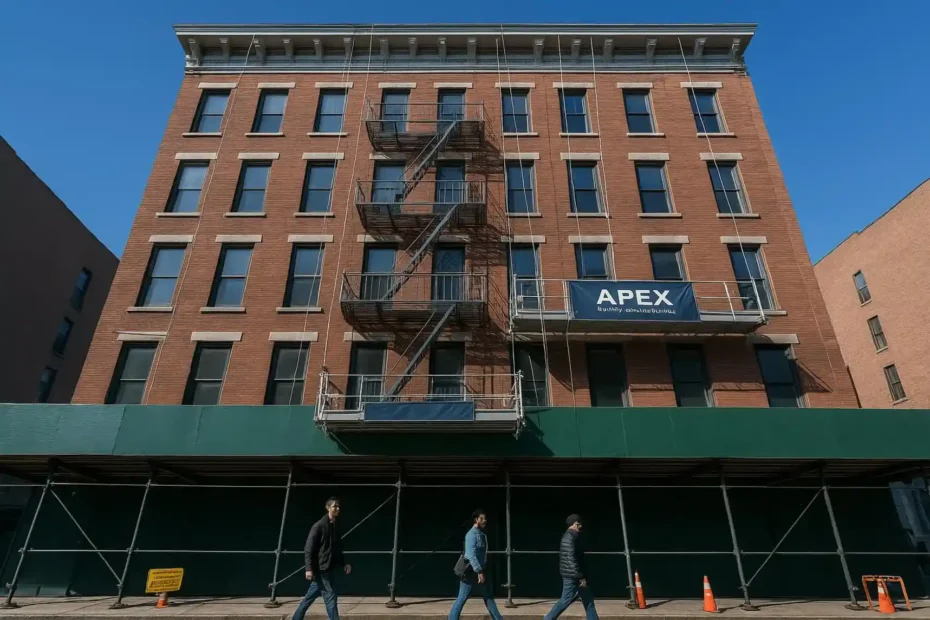
In a dense city setting, harsh weather, freeze-thaw cycles, and the age of many buildings place ongoing stress on exterior walls. Relying on temporary fixes can become an expensive gamble.
Working with specialized Local Law 11 services gives building owners the technical guidance, detailed testing, and engineering supervision needed to slow gradual damage. This planned approach keeps small masonry cracks and failing joint sealants from growing into serious structural problems or city penalties.
How Local Law 11 Services Reduce Long-Term Facade Maintenance Risks
What Local Law 11 and the FISP Require From NYC Building Owners
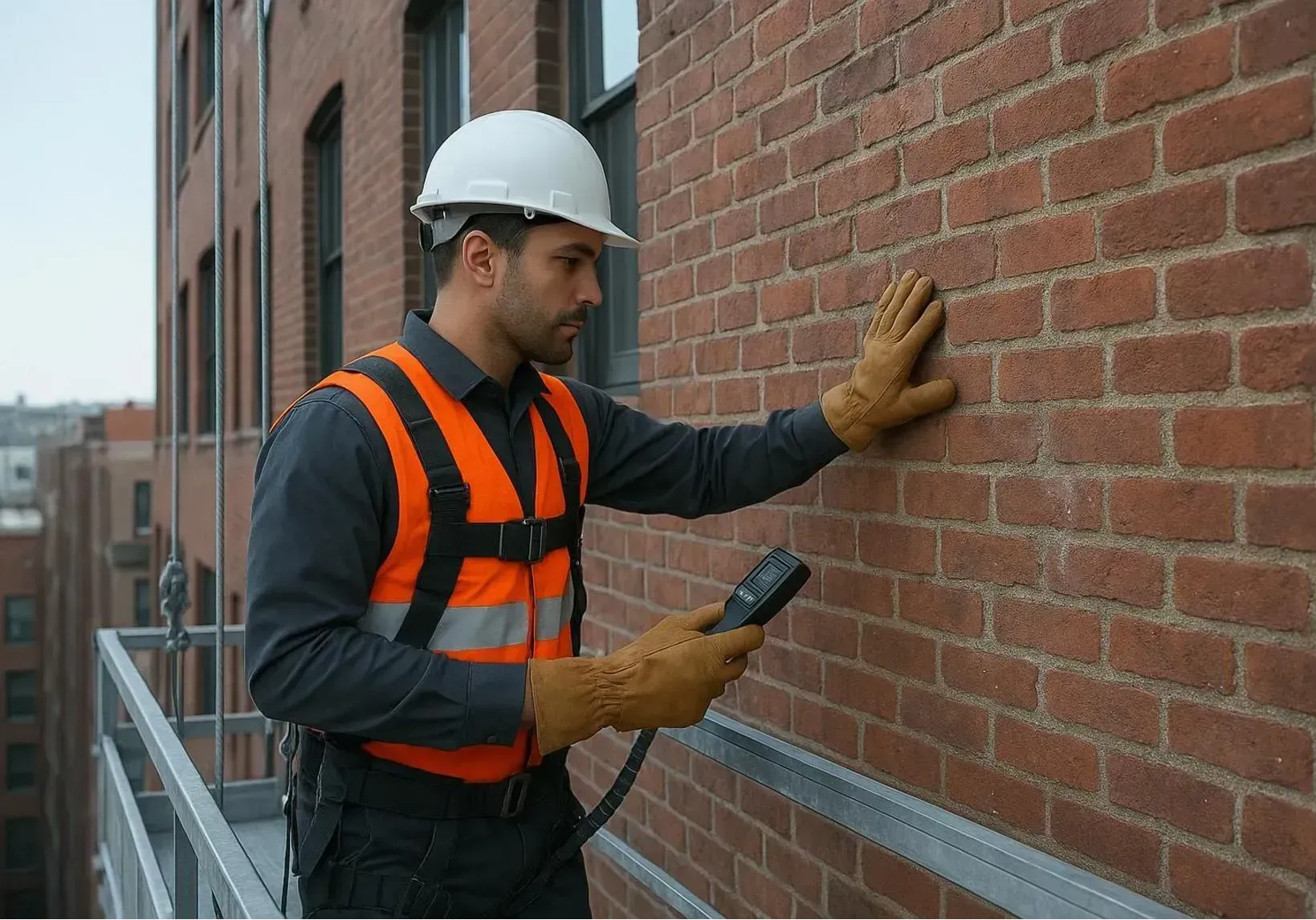
New York City’s Facade Inspection Safety Program (FISP), created under Local Law 11 of 1998 and governed by RCNY § 103-04, requires owners of buildings higher than six stories to inspect exterior walls and related features every five years. Older facade rules sometimes allowed inspections from the ground with binoculars. FISP now requires close-up, hands-on examinations from suspended scaffolds or through industrial rope access. Inspectors must review every elevation, not only the side facing the street, to protect the public from falling materials.
After the inspection, a licensed professional must prepare a technical report and file it with the Department of Buildings (DOB). The report places the facade in one of three categories: Safe, Safe with a Repair and Maintenance Program (SWARMP), or Unsafe. An Unsafe rating requires immediate steps to protect the public, such as installing sidewalk sheds, along with physical repairs within strict city deadlines. This system gives owners a legal reason to keep up with exterior wall maintenance and creates immediate costs when problems are ignored.
How Proactive Facade Services Prevent Costly Deterioration and Unsafe Conditions
The main benefit of current facade restoration services is that they do more than confirm compliance. They create an active plan to limit damage from weather and age. When owners wait for required inspection periods before making repairs, small defects often become larger structural problems. Skilled consultants and contractors track material stress, worn joints, and paths where water can enter. They can act before water reaches structural steel, causes rust, or damages shelf angles.
SWARMP items also create a regulatory deadline. Under DOB rules, a SWARMP condition that remains unresolved through later inspection cycles can be changed to an Unsafe classification. Treating SWARMP findings as a clear repair plan, rather than as optional future work, helps prevent this change. It can also shorten the time that sidewalk sheds remain in place and make building expenses easier to plan.
Identify Facade Problems Before They Become Emergencies
How QEWI Inspections Detect Loose Masonry, Cracks, Leaks, and Structural Defects
FISP inspections must be led by a Qualified Exterior Wall Inspector (QEWI). This person must be a New York State Registered Architect or Licensed Professional Engineer with verified field experience. The QEWI may use acoustic sounding hammers, thermal imaging, and high-resolution scopes to review brick, limestone, terra cotta, parapets, and window lintels. Tapping masonry can reveal hollow sounds that point to internal separation before a stone breaks away or pulls from the wall behind it.
Hands-on inspections can also find small warning signs that cannot be seen from the ground. These include tiny cracks in mortar joints, damaged coping stones, weak balcony railings, and shifted stone courses. Finding these local problems early gives the building board a clear map of the affected areas. It helps stop damage from spreading across the wall and lowers the chance that loose materials will fall over busy sidewalks.
Why Visible Facade Conditions May Not Reveal Concealed Damage
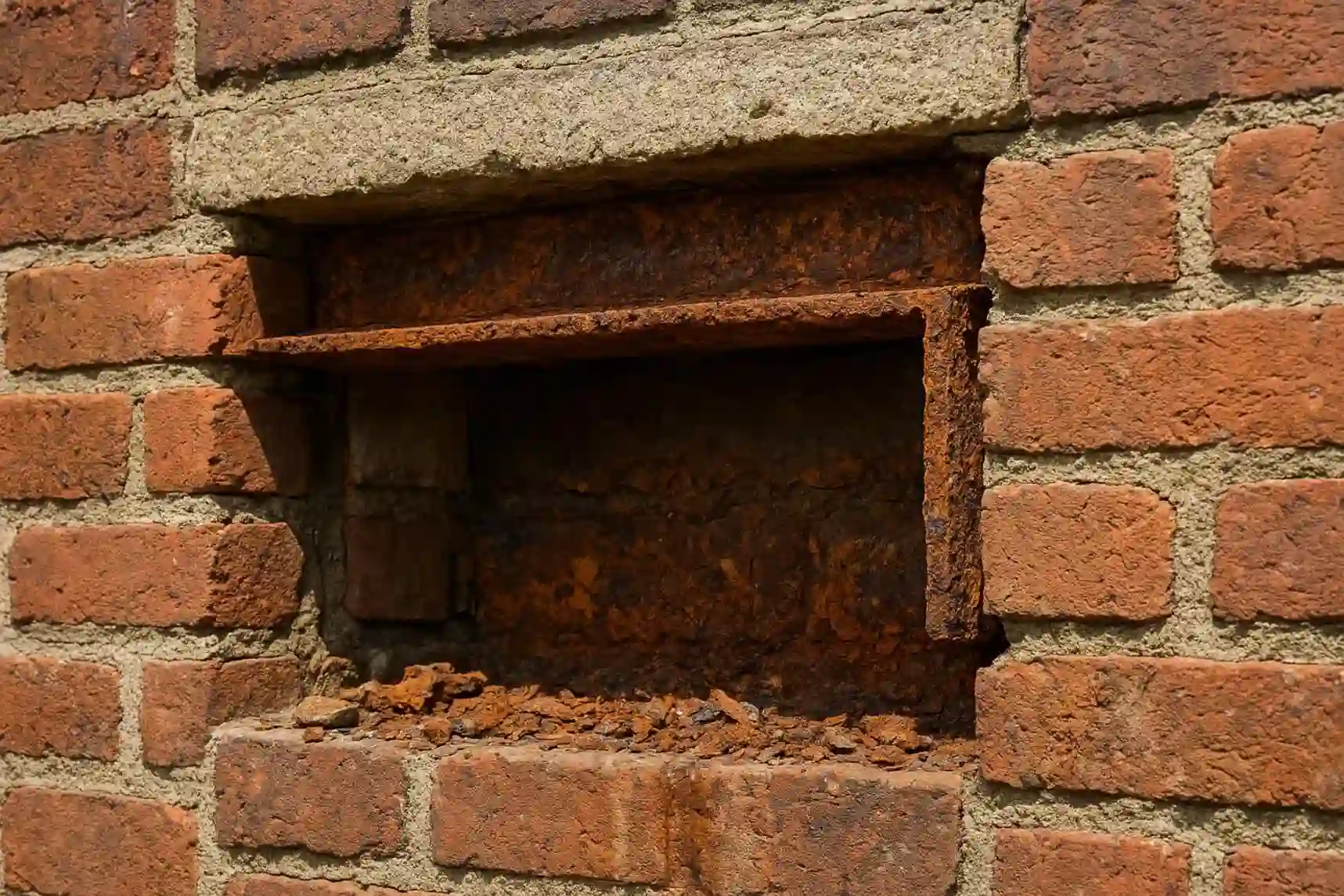
A building can look clean and intact from the outside while serious damage develops behind its brick veneer. Water can pass through hairline cracks and collect inside cavity walls. It may then reach structural steel columns, spandrel beams, and relieving angles. When mild steel begins to rust, it expands to many times its original size. This growth creates strong outward pressure on the brickwork.
Without targeted testing and exploratory openings, this rust expansion may stay hidden until the masonry cracks badly or bulges outward. Facade specialists can open selected areas to inspect anchor ties, cavity flashings, and protective coatings on structural steel. Finding corrosion at an early stage can save owners from the much higher cost of rebuilding entire wall sections or changing structural framing.
Use Local Law 11 Planning to Control Repair Costs
How Early Consultations Help Boards Plan Repairs Before Deadlines or Violations
FISP follows five-year cycles that are divided into sub-cycles A, B, and C according to the property’s block number. Boards that plan ahead begin discussions years before their required filing period. Early reviews give engineering teams time to prepare detailed condition surveys without the pressure of a near filing deadline. The extra time also allows the property to compare bids from qualified restoration contractors instead of accepting rushed work at emergency prices.
Starting early can also prevent emergency filings. If serious instability is found only a few weeks before a filing date, the building may need to submit an Unsafe report. That can require emergency sidewalk scaffolding, continued permit expenses, and a fast repair schedule. An early review gives the design team time to correct borderline conditions on a controlled schedule. The property may then be able to file an amended or clean Safe report without a last-minute crisis.
How Condition Assessments Support Accurate Budgets and Reserve Planning
Condominium and cooperative boards often have difficulty planning capital work when budgets are based on broad estimates instead of structural information. A detailed facade condition assessment replaces rough guesses with a clear list of repair quantities for each elevation. Engineers can measure the linear feet of repointing, the square footage of masonry replacement, and the number of lintels that need repair.
This level of detail helps property managers and finance committees use realistic numbers in long-term reserve studies. Instead of charging owners a sudden special assessment after damage becomes urgent, the board can set up a phased funding plan. Costs can be spread over several operating cycles while the building keeps a healthy reserve balance.
Choose Qualified Professionals for Long-Term Facade Protection
The Role of the Qualified Exterior Wall Inspector and Design Professionals
The quality of an exterior repair program depends heavily on the experience of the QEWI and the design team. Skilled professionals do more than prepare required reports. They may perform non-destructive testing, complete structural calculations, and prepare detailed restoration drawings. Their job is to explain how the building envelope is working and make sure repair orders are based on actual conditions rather than guesses.
During construction, design professionals carry out regular quality checks. They confirm that existing surfaces are sound, replacement ties reach the required depth, and waterproofing membranes form a continuous seal. Site supervision helps protect the owner from poor installations that may look acceptable at first but fail during winter weather.
How Experienced Local Law 11 Contractors Improve Repair Quality
Repairing historic and high-rise facades requires skills that many general contractors do not have. Experienced exterior restoration contractors use trained masons, riggers, and waterproofing workers who know how to handle older materials as well as newer wall systems. Their experience with city rigging, scaffold planning, and DOB work rules can reduce delays and help prevent job site accidents.
Specialized contractors are also better prepared for conditions that are found only after facade demolition starts. Old alterations, missing backup walls, or earlier poor repairs may appear once work begins. An experienced firm can work with the QEWI to develop a field solution without stopping the project or using untested materials that could create new safety problems.
Turn Inspection Findings Into Durable Facade Repairs
How Repair Specifications Address Root Causes Instead of Surface Symptoms
A common facade maintenance mistake is to repair the visible mark while leaving the source of the damage in place. For example, patching cracked stucco or adding caulk over a broken joint will not solve a water leak caused by a cracked coping stone at the roof. Repointing brick several floors below the entry point will also fail to stop the problem. Water can keep moving through the wall, damaging hidden ties and pushing against nearby masonry.
Strong Local Law 11 repair specifications, like those prepared by Nova Construction Services, focus on the cause of the damage. They may require replacement of failed flashing, proper weep vents, repairs at roof-to-parapet connections, and treatment of rusted structural steel. Stopping the water path and relieving movement pressure helps the repaired facade remain stable for many years instead of failing again within a short time.
The Importance of Compatible Masonry, Sealants, Anchors, and Waterproofing Systems
Exterior repair work depends on choosing materials that work well with the existing building. Materials that do not match the original wall can speed up damage. For example, hard Portland cement mortar placed against soft historic brick or brownstone may cause the brick face to crack and break during temperature changes. The mortar is too rigid to move with the building.
Long-lasting repair plans often specify tested materials that fit the existing construction:
- Breathable Lime Mortars: Mortars made to match the vapor movement and compressive strength of historic masonry.
- Engineered Fasteners: Stainless steel helical anchors and mechanical ties that resist corrosion and hold multi-wythe brick walls together.
- High-Performance Sealants: Flexible silicone or polyurethane products selected for the movement expected around windows and expansion joints.
- Fluid-Applied Membranes: Continuous elastomeric waterproofing products that block water while allowing vapor to pass behind rainscreen systems.
Manage the Project to Prevent New Maintenance Risks
How Clear Contract Documents Define Scope, Milestones, and Responsibilities
Facade restoration projects can face added work and payment disputes when contracts do not clearly describe the job. A well-managed Local Law 11 project uses clear American Institute of Architects (AIA) contracts along with detailed special conditions. These documents can set unit prices for uncertain work, such as hidden shelf angle replacement or repairs to spandrel steel.
The contract should list project milestones, payment dates tied to independent QEWI approvals, working hours, and staging rules. Clear requirements for safety, site protection, and the work schedule give all parties the same expectations from the start. This lowers the chance of disputed change orders and helps the project move forward at a steady pace.
Why Boards Should Maintain Inspection Reports, Permits, Photographs, and Repair Records
Good recordkeeping protects owners and property managers. The DOB may audit FISP filings and request proof of completed work, product warranties, professional approvals, and current permits. Keeping an organized file of past reports, clear progress photographs, and stamped engineering drawings can help the board answer violation questions and avoid administrative fines.
A complete repair history also gives future managers useful background. If board members or management companies change, the records can show which elevations were repointed, where cavity flashings were updated, and which areas are being watched. This prevents repeated work and makes planning for later inspection cycles easier.
Resolve Access, Resident, and Neighbor Issues Before Work Begins
How Early Access Agreements Prevent Construction Delays and Legal Disputes
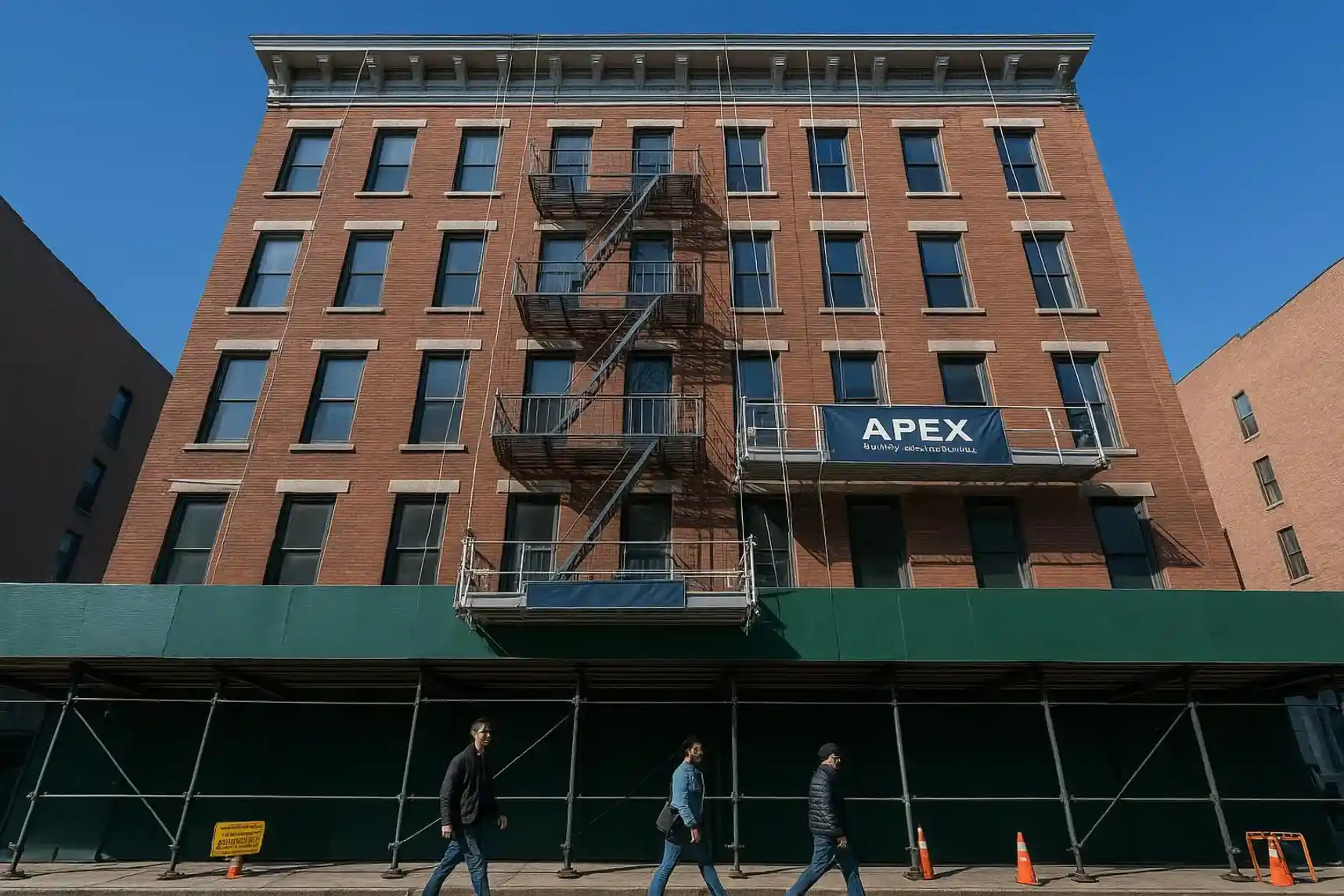
In crowded cities, high-rise facade work may require protective bridge canopies, cantilevered scaffolding, or swing stages that extend over a neighboring property or onto a nearby roof. Under Real Property Actions and Proceedings Law (RPAPL) § 881, owners usually need formal permission from adjoining property owners before placing this temporary equipment.
Neighbor access agreements require legal and architectural coordination. Starting these discussions early helps prevent schedule delays and court disputes. An agreement can describe pre-work photographs of the neighboring property, insurance protection, responsibility for damage, and reasonable license fees. Clear terms help the project proceed without a costly stop-work order in the middle of construction.
How Resident Notices and Preparation Reduce Damage and Disruption
Facade work takes place close to residents’ homes. Mortar grinding, brick replacement, and scaffold movement can create noise, dust, and short-term privacy concerns. Without clear communication, upset residents may contact city agencies. Complaints can lead to job site shutdowns or extra inspections.
A resident communication plan can reduce these problems. Boards should share work schedules, explain when swing stages will move, and tell residents how to protect air conditioner units from dust. They should also set clear rules for access to private terraces and windows. Regular updates encourage cooperation, reduce damage claims, and help keep the work area safe and orderly.
Reduce Liability and Insurance Exposure During Facade Work
How Prompt Repairs Reduce Risks to Residents, Pedestrians, and Neighboring Properties
Facade laws are mainly intended to protect people from falling building materials. Falling masonry can cause serious injuries and large liability claims that harm a property’s finances. Repairing damaged lintels, unstable decorative features, and other structural problems quickly removes these hazards before materials loosen and fall.
Ignoring known facade defects can also increase civil liability if an accident occurs. Courts may review earlier inspection reports and maintenance records. A failure to complete recommended work may be treated as serious negligence. Prompt repairs supported by clear records show that the board acted responsibly and took reasonable steps to protect residents, pedestrians, and nearby properties.
How Contractor and Subcontractor Insurance Protects the Building
Facade restoration includes many physical hazards, such as heavy materials lifted above the street, hot work, and structural demolition. To protect the property from claims connected to contractor actions, building boards should set firm insurance requirements for general contractors, riggers, and every trade subcontractor working on site.
Before work starts, the owner’s legal counsel should review Certificates of Insurance (COIs) to confirm:
- Commercial General Liability: Broad coverage without harmful height limits, exterior work exclusions, or action-over restrictions.
- Additional Insured Endorsements: Endorsements that name the building corporation, property manager, and board members as primary and non-contributory insured parties.
- Excess Umbrella Policies: Umbrella limits that match the property’s height, project size, and location in a busy neighborhood.
- Workers’ Compensation & Disability: Full coverage required by law for claims involving construction worker injuries under state labor rules.
Build a Repeatable Facade Maintenance Program After Local Law 11 Repairs
How Scheduled Inspections and Preventive Maintenance Extend Repair Life
Finishing a Local Law 11 repair project should start a continuing preservation plan rather than end facade care. Restored areas are long-term investments that need regular attention. Low-cost checks, such as yearly roof flashing reviews, gutter cleaning, and joint sealant inspections, can extend the useful life of major masonry repairs.
Routine checks between required filings can find small sealant problems and shrinking joints before water enters newly repaired wall cavities. Regular care helps the facade withstand weather, protects the money already spent on repairs, and lowers the chance of early failure.
How Building Staff Can Monitor Cracks, Leaks, Staining, and Loose Materials
On-site maintenance workers, supers, and engineers are the first people likely to notice changes in a facade. With basic training in how exterior walls handle water and movement, staff can find warning signs before an engineer adds them to a repair list. Simple reporting forms help staff record observations and send them to the right person quickly.
Maintenance staff should regularly monitor and document:
- Interior Water Infiltration: The exact locations and weather conditions connected to window leaks or damp ceilings.
- Efflorescence and Staining: White salt deposits or rust marks on exterior brick that may show active water movement inside the wall.
- Joint and Sealant Failures: Drying, cracking, or separation around window caulking and expansion joints.
- Parapet and Coping Shifting: Moved masonry units, loose coping covers, or fine cracks along roofline walls after strong winds or freeze-thaw cycles.
How Updated Records Help Prepare for the Next FISP Cycle
Ongoing building records make future FISP work easier. By keeping maintenance logs, leak investigation notes, and photographs of small repairs, property managers build a clear history of the building. When the next FISP cycle starts, the records give the new QEWI verified information about each elevation.
An organized file reduces time spent on uncertain investigation, helps focus close-up scaffold inspections on areas with a known history, and provides proof of completed SWARMP repairs when the DOB requests it. Adding regular Local Law 11 services to a planned facade maintenance program protects the public, preserves property value, and makes building operations easier to manage in every season.